

Hair Serum vs Leave-In Conditioner: Which Works Best
By Wellness Premium Products Editorial Team · Updated 2026-08-21
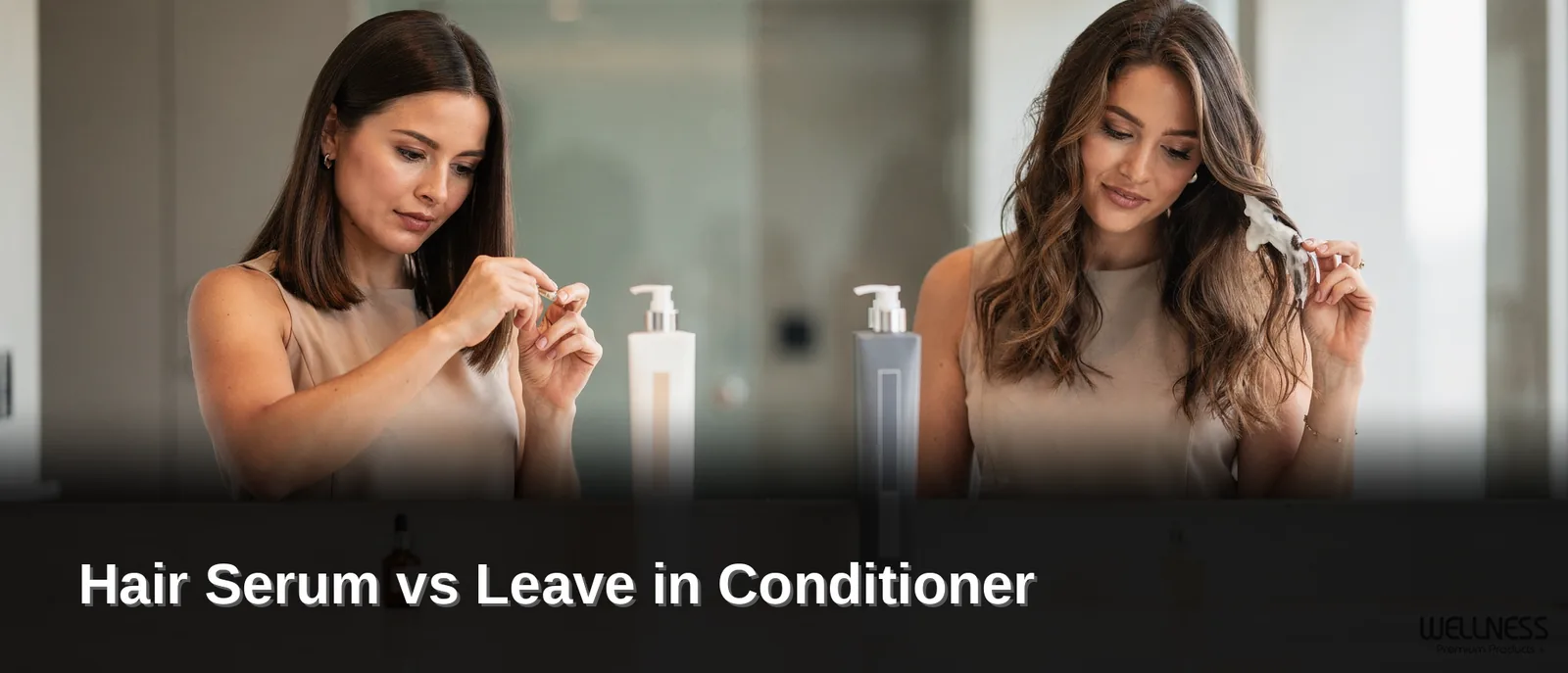
Hair serum coats each strand to smooth frizz and add shine, while leave-in conditioner works to hydrate, detangle, and protect hair throughout the day. Understanding the difference between hair serum and leave in conditioner helps you choose — and combine — the right products for your hair type. This guide breaks down what each product does, how they compare for frizz control and dryness, and how to layer them together for a simple, effective post wash hair care routine. Wellness Premium Products, a hemp seed oil–based haircare line, offers both formulas for anyone building out a complete routine.
Key Takeaways
- Hair serum and leave-in conditioner solve different problems, even though both can leave hair looking smoother and shinier.
- Leave-in conditioner is formulated to hydrate and condition hair throughout the day, without rinsing out.
- Hair serum forms a lightweight surface layer that helps reduce frizz and add shine after styling.
- The two products aren't interchangeable — many routines use both together, applied in the right order and amount.
- Wellness Premium Products offers hemp seed oil–based serum and leave-in formulas for building a complete post-wash routine.
Hair Serum vs Leave-In Conditioner: What's the Difference?
These two products are staples of the post-wash routine, yet they solve different problems. Getting clear on hair serum vs leave in conditioner — sometimes framed as leave in conditioner vs serum — helps prevent wasted product and mismatched results.
Leave-in conditioner is a lightweight, no-rinse treatment designed to deliver ongoing moisture, softness, and protection throughout the day, which makes it especially useful for dry climates, hard water, or hair that tends toward brittleness. Hair serum works differently: rather than penetrating the strand, it sits on the hair's surface, forming a smooth finishing layer once styling is done.
What Is the Difference Between Hair Serum and Leave-In Conditioner, Exactly?
Most hair serums are formulated to form a light, smoothing film over the hair shaft. That surface layer is what helps seal in shine and reduce the look of frizz, which is why a frizz control hair serum is often the first product reached for in humid weather or after blow-drying. Leave-in conditioners take the opposite approach: many are designed to absorb into the strand, delivering hydration that keeps working over several hours.
| Product | Function | Best For |
|---|---|---|
| Leave-in conditioner | Helps hydrate and protect hair through the day | Dry, brittle, or tangle-prone hair |
| Hair serum | Forms a smoothing surface layer, adds shine | Frizz control, humidity, finishing polish |
Many routines use both: a hydrating leave-in conditioner for daily moisture, and a serum for finishing shine and frizz control. Wellness Premium Products' hemp seed oil–based formulas are built with this kind of layered routine in mind.
Which Product Controls Frizz Better?
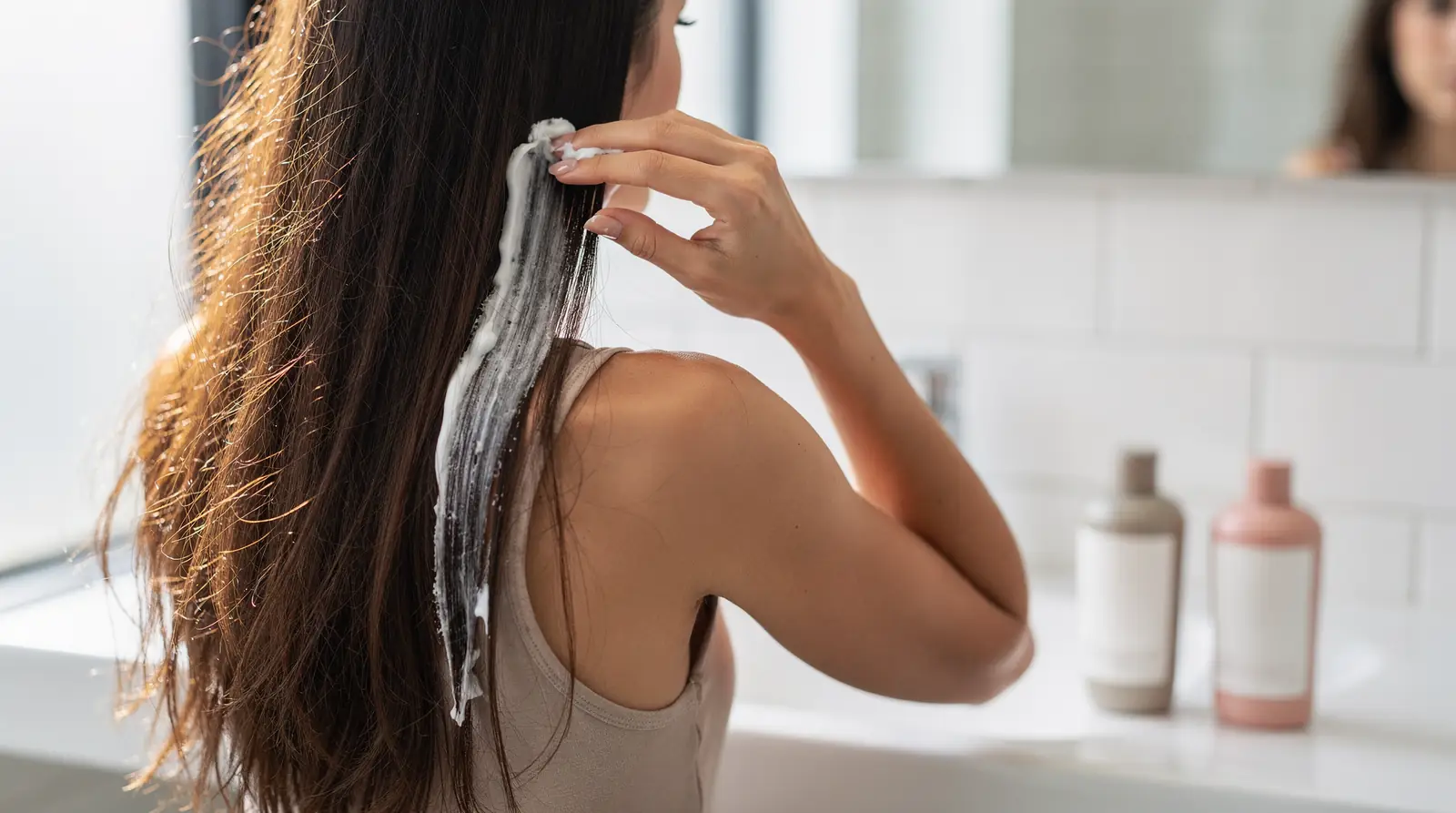
For most people dealing with humidity-driven flyaways, hair serum tends to win the frizz battle. A serum's job largely centers on controlling frizz, adding shine, and smoothing the hair's surface, which is why a frizz control hair serum is usually the first recommendation when flatness and static are the main concern. Leave-in conditioners work toward a different goal: moisture and manageability rather than surface smoothness.
The hair serum vs leave in conditioner question often comes down to how each product interacts with the hair shaft. Serum sits on the surface, helping to seal the cuticle and reduce the frizz that humidity can trigger. Leave-in formulas, in contrast, are designed to penetrate more deeply to soften and hydrate strands from within.
Can You Use Hair Serum and Leave-In Conditioner Together?
Yes — and for many hair types, using both delivers better results than relying on either alone, since they address different needs. A hydrating leave-in conditioner restores moisture and elasticity, while serum manages only the surface finish. Used together, in the right order, they can leave hair feeling softer and looking smoother than either product on its own. (See the layering section below for exactly how to combine them.)
| Concern | Best Option |
|---|---|
| Flyaways, shine, static | Hair serum |
| Dryness, brittleness, tangles | Hydrating leave-in conditioner |
| Humidity protection | Hair serum |
Wellness Premium Products formulates its serums with organic cold-pressed hemp seed oil, offering an option for anyone looking to add a finishing, frizz-fighting step to their routine.
How Should You Treat Dry, Damaged Hair?
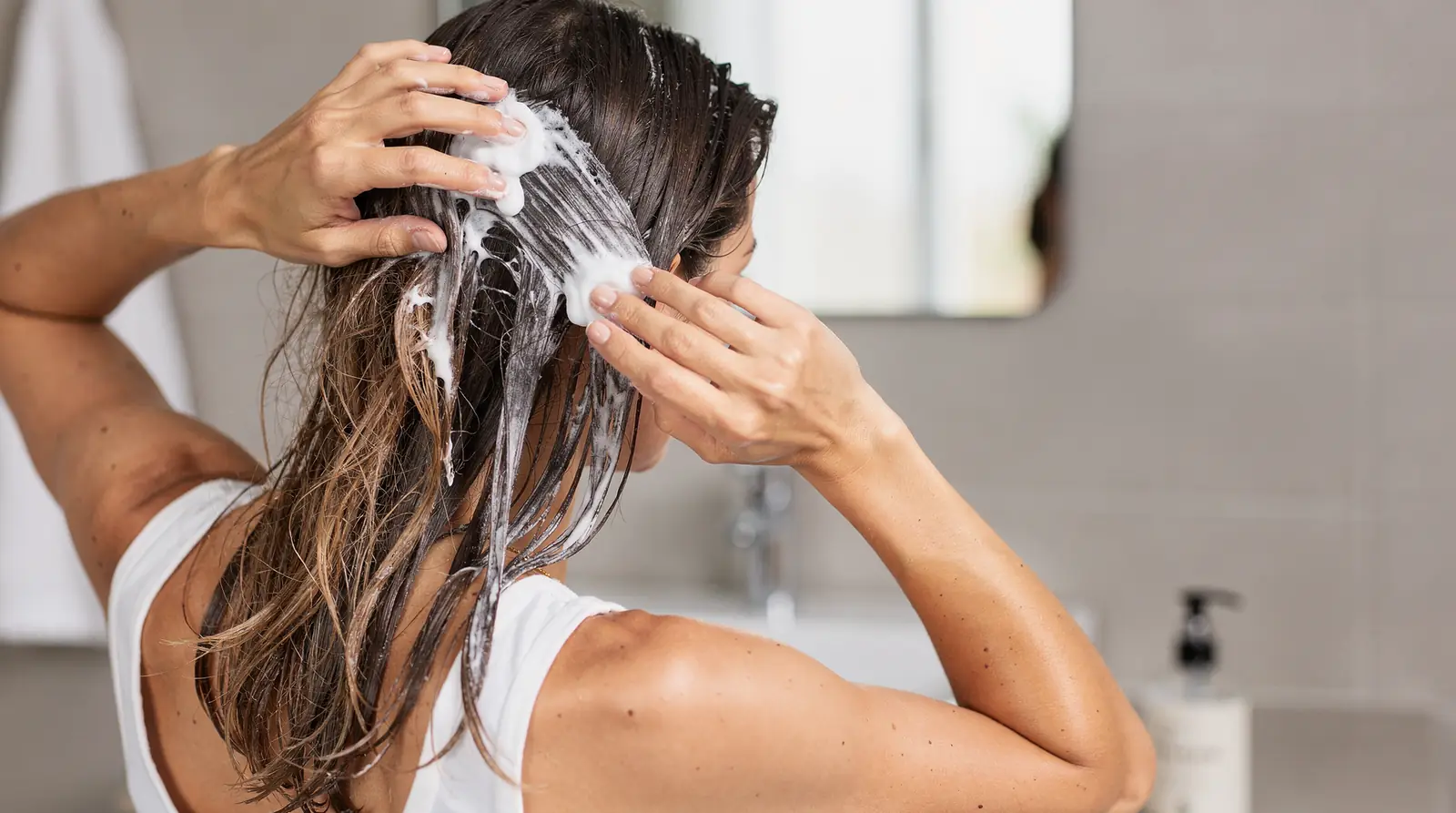
Dry, moisture-stripped strands generally respond best to a two-step approach: a rinse-out conditioner after every wash, followed by a leave-in formula for longer-lasting protection. Conditioner is designed to add manageability to hair, smoothing the cuticle and making tangled sections easier to work through. Applying it right after shampooing helps replenish moisture, soften texture, and leave strands easier to manage — a useful step for anyone dealing with dry, moisture-stripped hair.
Rinse-out conditioner can also help protect the hair shaft and reduce friction between strands. Less friction generally means less breakage during brushing or combing, which matters most for brittle, moisture-starved hair.
Why Does Dry Hair Need a Leave-In Conditioner?
A hydrating leave-in conditioner is designed to deliver moisture, softness, and protection without rinsing out, which makes it suited to all-day hydration between wash days. Anyone dealing with dry indoor heat, sun exposure, or naturally dry hair can benefit from this lightweight, no-rinse layer of care.
Rinse-Out vs. Leave-In: Quick Comparison
- Rinse-out conditioner: helps detangle, replenish moisture, and reduce friction immediately after shampooing.
- Leave-in conditioner: sustains moisture and softness throughout the day, with no rinsing required.
Deciding between hair serum vs leave in conditioner — or reaching for a frizz control hair serum — matters later in the routine. Dry strands generally need conditioner's moisture-replenishing formula first. Wellness Premium Products' conditioning formulas are built to support that step of the routine.
How to Layer Hair Serum and Leave-In Conditioner
Knowing how to layer hair serum and leave-in conditioner helps you get the benefit of both without weighing hair down. As a general rule, apply leave-in conditioner first, on damp hair, and follow with serum once hair is mostly dry or during final styling.
General order:
- Towel-dry hair to remove excess water.
- Apply leave-in conditioner evenly through mid-lengths and ends, focusing on the driest sections.
- Style as usual — air-dry, diffuse, or blow-dry.
- Once hair is dry, or nearly dry, warm a small amount of serum between the palms and smooth it over the surface, again concentrating on mid-lengths and ends.
Amount guidance by hair type:
- Fine or thin hair: a pea-sized amount of leave-in conditioner and a drop or two of serum, applied mid-shaft down. Too much of either product can leave fine hair looking flat or greasy.
- Medium or normal hair: a nickel-sized amount of leave-in conditioner and two to three drops of serum are usually enough to smooth frizz without weighing hair down.
- Thick, coarse, or curly hair: a more generous amount of leave-in conditioner, worked through in sections, followed by three to five drops of serum for extra smoothing and shine.
Applying leave-in conditioner before serum, rather than the reverse, generally gives better results: the conditioner has a chance to work into the strand first, and the serum then finishes the surface without blocking the conditioner's moisture from getting in.
Common Mistakes to Avoid
- Applying serum to soaking-wet hair. Most serums are designed for damp-to-dry or fully dry hair; applying too early can dilute the product and reduce its smoothing effect.
- Using too much product on fine hair. Excess serum or leave-in conditioner can weigh down fine strands and make hair look oily rather than polished.
- Skipping leave-in conditioner because hair already feels smooth. Serum manages surface shine, but it doesn't replace the hydration a leave-in conditioner provides — skipping it can leave hair drier over time.
- Applying serum too close to the roots. Serum is generally meant for mid-lengths and ends; applying it near the scalp can make hair look greasy.
- Layering in the wrong order. Applying serum before leave-in conditioner can create a barrier that keeps the conditioner from absorbing properly.
A Simple Post-Wash Routine
A straightforward post wash hair care routine can help you get consistent results without overcomplicating things:
- Shampoo and rinse-out condition as usual, focusing conditioner on mid-lengths and ends.
- Gently towel-dry to remove excess water without roughing up the cuticle.
- Apply a hydrating leave-in conditioner through damp hair, concentrating on drier areas.
- Style hair as usual — air-dry, diffuse, or blow-dry with heat protection if using hot tools.
- Once hair is dry, finish with a small amount of hair serum on mid-lengths and ends to smooth frizz and add shine.
Repeating this routine consistently, and adjusting the amount of product to your hair's thickness and dryness, is generally more effective than switching products frequently.
FAQ
What is the difference between hair serum and leave-in conditioner?
Hair serum sits on the hair's surface to smooth frizz and add shine. Leave-in conditioner is designed to absorb into the strand, providing hydration, detangling, and protection throughout the day.
Can you use hair serum and leave-in conditioner together?
Yes. Many routines use both — leave-in conditioner for daily hydration, applied first on damp hair, followed by serum once hair is dry to add shine and control frizz.
Which product controls frizz better, serum or leave-in conditioner?
Hair serum is generally the better choice for frizz control, since it forms a smoothing layer on the hair's surface. Leave-in conditioner focuses more on hydration and manageability than surface smoothness.
How much serum or leave-in conditioner should I use?
It depends on hair type: a drop or two of serum and a pea-sized amount of leave-in conditioner is usually enough for fine hair, while thicker or coarser hair may need several drops of serum and a more generous amount of leave-in conditioner.
Does a hydrating leave-in conditioner replace regular conditioner?
No. A leave-in conditioner is a no-rinse, all-day layer of hydration that follows rinse-out conditioner — it's an addition to the wash routine, not a replacement for it.
Product Facts
- Wellness Premium Products formulates with organic cold-pressed hemp seed oil and a proprietary micro-capsule delivery technology.
- Formulas are made without parabens, sodium chloride, or gluten, and are color-safe.
Conclusion
Hair serum and leave-in conditioner serve different roles in a complete hair care routine. Leave-in conditioner is built for ongoing hydration and manageability, while serum's job is to smooth the surface, control frizz, and add shine after styling. Neither one replaces the other — the best results generally come from using both, applied in the right order and in an amount suited to your hair type.
Wellness Premium Products' hemp seed oil–based serum and leave-in formulas are designed to support that kind of complete, layered routine. Explore the lineup at wellnesspremiumproducts.com to find the combination that fits your hair type and concerns.
Share:
Hydrating Mask for Curly Hair: Moisture vs Protein
Low Porosity vs. High Porosity Hair: A Practical Porosity Care Guide