

Hydrating Mask for Curly Hair: Moisture vs Protein
By Wellness Premium Products Editorial Team · Updated 2026-08-19
Curls require
Curly hair strength depends on protein, since strands consist of roughly 91% protein, while curl softness and bounce depend on moisture. Over-processed or heat-styled curls need protein-rich repair; dry, brittle curls need hydration. Wellness Premium Products' Hydration Collection addresses moisture loss with plant-powered, curl-specific formulas that avoid heavy buildup.
Key Takeaways
- Hair strands comprise approximately 95% protein, primarily keratin that breaks down from daily environmental stress.
- Curly hair requires equal amounts of protein and moisture to maintain health and strength.
- Protein treatments repair and strengthen damaged curls by restoring lost keratin from styling damage.
- Wellness Premium Products in Henderson, Nevada specializes in balanced protein-moisture formulations for textured hair.
What Do You Need Before Starting Curl Treatments?
Preparation determines results for wavy, curly, and coily hair before any mask touches a single strand. Curly-haired clients need three essentials ready: a protein-based treatment, a moisture-rich formula, and a clear read on which one the hair craves that week. Wellness Premium Products location is Henderson, Nevada, United States, and every formula is built to strengthen hair from within rather than coat it superficially, so preparation starts with understanding what genuine repair requires.
Curly hair depends on both protein and moisture to stay strong and resilient. Treating one need while ignoring the other creates dryness on one end of the spectrum. Limp, weighed-down strands on the other. Stocking a hydrating mask for curly hair alongside a bond-strengthening option keeps curls balanced instead of swinging between over-moisturized and protein-starved.
Before reaching for a deep hydration treatment, gather the following in order:
- Assess the hair's current state — check for limpness (moisture excess) or brittleness (protein deficit).
- Choose a hair mask for dry curly hair built with organic, cold-pressed hemp seed oil and Micro-Capsule Technology for targeted repair.
- Confirm delivery timing; Wellness Premium Products, based in Nevada, typically processes U.S. orders within a short window, so plan treatment day around arrival.
- Set out detangling tools and a timer, since the micro-capsule actives release ingredients on contact and work best with even, section-by-section application.
How Often Should Curly Hair Get a Protein or Moisture Mask?
Frequency depends on damage level and porosity. Rotating a premium hair mask weekly or biweekly prevents both protein overload and moisture buildup. Clients recovering from heat styling or color services should favor hydration-focused weeks more often, then reintroduce protein once curls start losing definition and shape.
How Do You Diagnose Protein Or Moisture Needs?
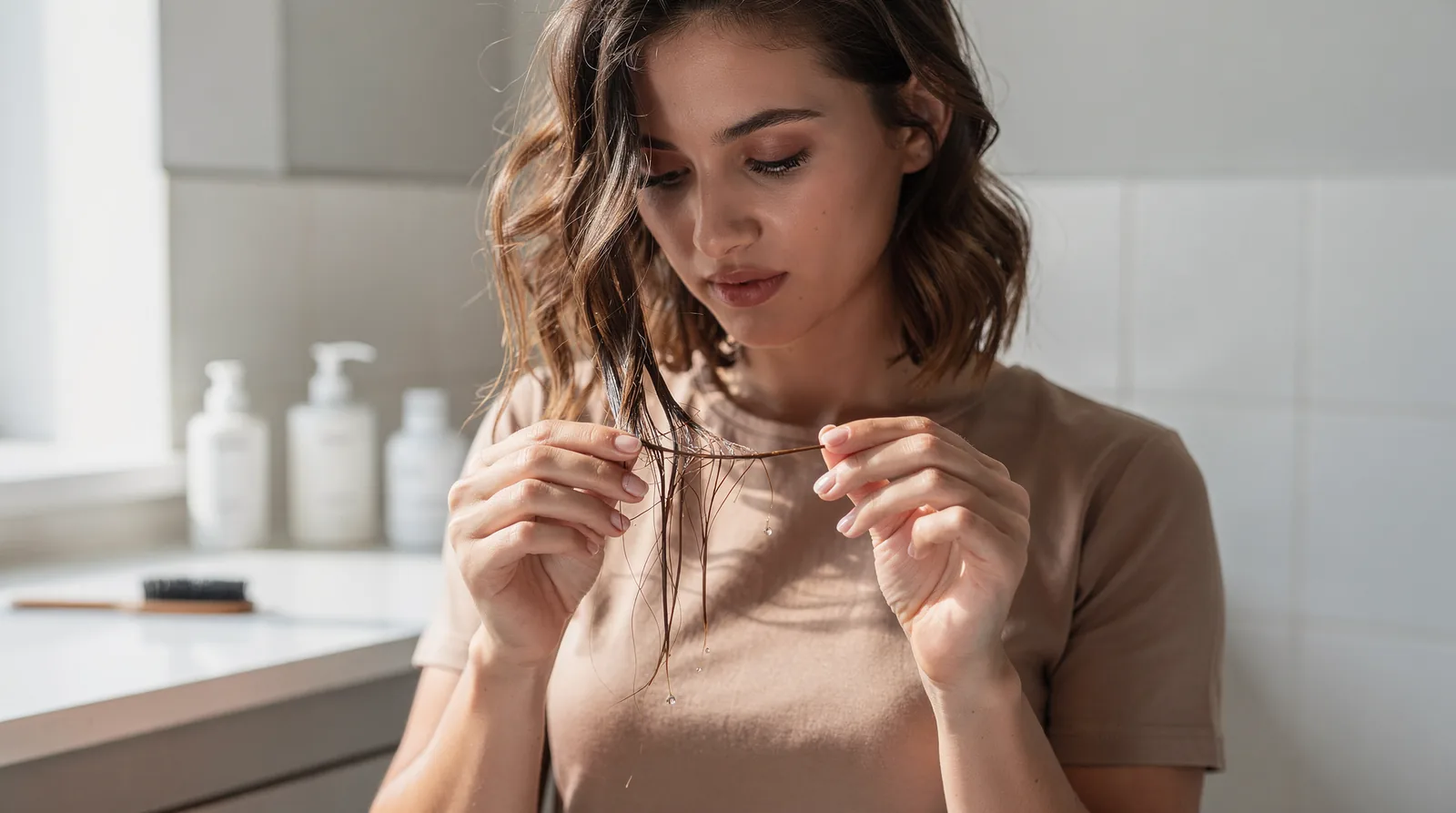
Diagnosis starts with a close look at strand behavior, not guesswork. Curls that go limp, lose their spring, or stretch without bouncing back are usually signaling a protein shortfall. Clients who skip this step often reach for a hydrating mask for curly hair when strands actually need reinforcement first, and the mismatch stalls progress.
Texture matters more than curl shape when narrowing down the cause. A wavy client and a coily client can share the same underlying issue. Stylists and at-home users alike should assess strand thickness and porosity before assuming curl pattern dictates the fix.
How can someone tell if hair has lost protein?
Look for strands that flatten out and lose their wave, curl, or coil definition entirely. Hair that feels stringy, appears lifeless, or hangs limp instead of springing back after a stretch points to protein depletion rather than dryness alone.
Can too much protein cause damage?
Yes. Overloading strands with protein creates stiffness instead of strength, leaving hair brittle and resistant to movement. Balance, not excess, is the goal of any diagnostic check.
A simple diagnostic sequence works best:
- Stretch a dry curl gently and watch whether it snaps back or stays elongated.
- Note whether hair feels rough and straw-like (protein need) or gummy and stretchy when wet (moisture need).
- Check styling history — frequent heat, color, or chemical processing points toward a protein deficit.
- Match findings to a deep hydration treatment or a hair mask for dry curly hair, not both at once.
Accurate diagnosis supports the brand's broader mission: moving past surface coating to restore real strength and softness with a genuinely premium hair mask regimen.
How Do You Apply A Deep Hydration Treatment?
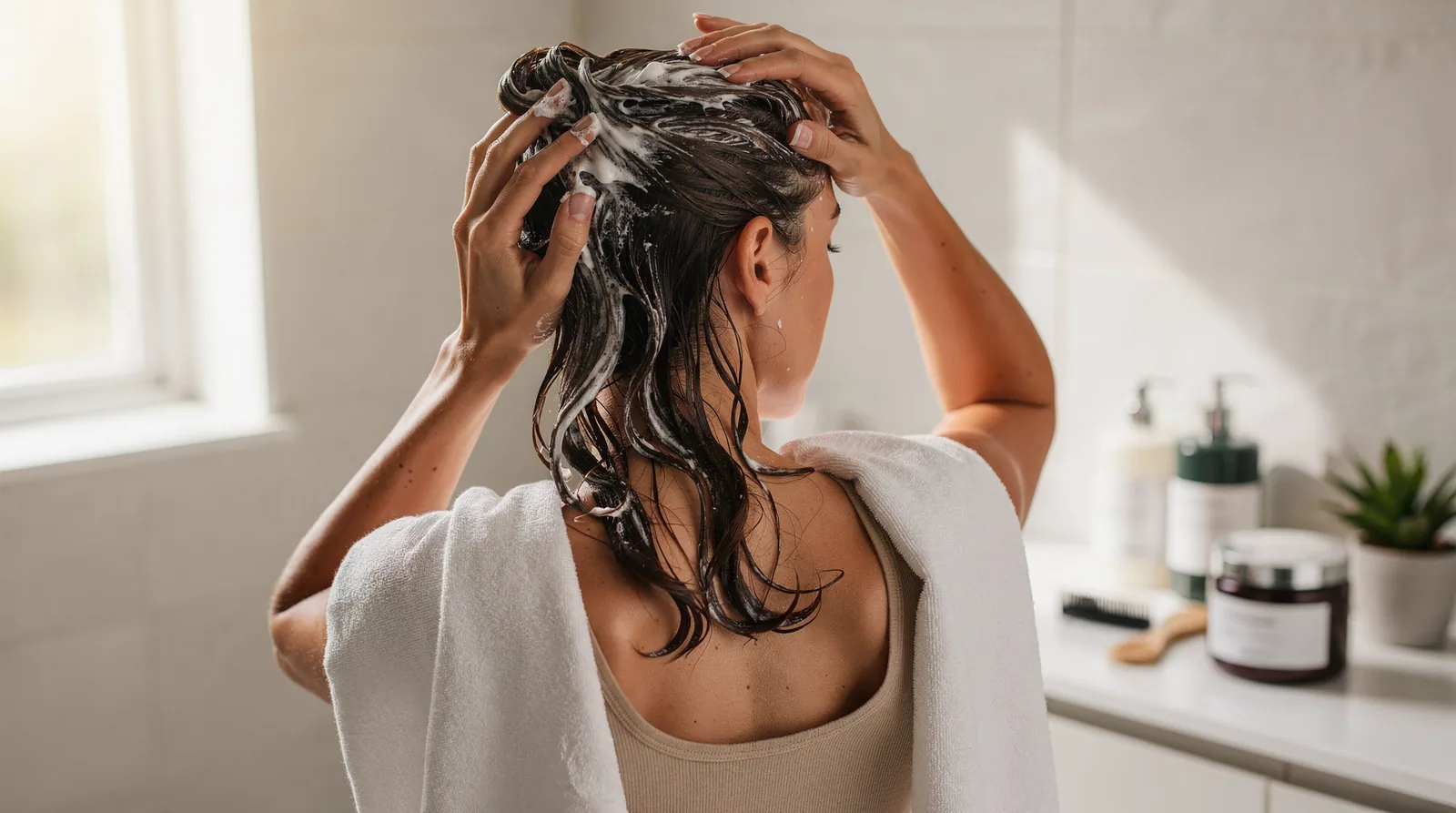
Application starts with clean, detangled curls and a formula matched to texture. Wavy strands, tight coils, and everything between absorb moisture differently, so a deep hydration treatment works best when applied section by section rather than in one hurried pass. Skipping this prep step leaves patches of hair under-treated and buildup uneven, which shows up as apartment roots or crunchy ends once curls dry.
Before starting, gather a premium hair mask formulated for curl-specific hydration, a wide-tooth comb, and clips to divide hair into four sections.
- Rinse hair with warm water to open the cuticle and remove surface residue.
- Divide damp curls into four sections and secure with clips.
- Apply the hydrating mask for curly hair from mid-shaft to ends, where dryness concentrates.
- Comb through gently with a wide-tooth comb to distribute product evenly.
- Cover strands with a shower cap and let the treatment process.
- Rinse with cool water to seal the cuticle and lock in moisture.
How often should curls get a hydration treatment?
Frequency depends on porosity and how often heat tools or color services are used. Thicker, coilier textures typically need this step more often than looser waves, since coils naturally resist moisture flow down the hair shaft.
Can a hydrating mask be used on color-treated curls?
Yes. Formulas built without parabens are color-safe, making a hair mask for dry curly hair appropriate even after coloring services. This matters for anyone protecting both vibrancy and hydration in the same routine, without choosing one over the other.
When Should You Reintroduce Protein Into Curls?
Curls signal a need for protein when bounce fades and strands stop springing back after a wash. Roughly 90 percent of each hair strand consists of fibrous proteins like keratin, the structural fibers that form the hair cortex and give curls their elasticity. Once that protein layer weakens, definition collapses and curls hang limp instead of coiling. Repeated color, bleach, heat styling, and chemical treatments accelerate this breakdown, leaving strands unable to recover their original shape.
How Often Should Protein Be Used on Curly Hair?
Frequency depends on damage level, not a fixed calendar. Guests with heavily processed or heat-styled hair benefit from a protein step woven into their routine on a regular, scheduled basis. Structure rebuilds gradually rather than overnight. Those with minimal chemical history need it far less often, reserving it for moments when curls feel weak or overstretched.
Clients can gauge timing with a few checkpoints:
- Assess elasticity first — gently stretch a damp curl; if it snaps rather than springs back, protein is due.
- Note texture changes — mushy, gummy strands when wet point to protein loss, not dehydration.
- Track styling history — recent color, bleach, or heat sessions call for a protein step within the following wash cycle.
- Pair with hydration — a hydrating mask for curly hair should follow protein to restore softness and prevent stiffness.
Protein alone never replaces moisture; it maintains structure while a deep hydration treatment restores softness. A well-organized regimen built by hair type. Concern makes it easier to fit both steps together, rather than guessing which one curls need on a given wash day. Reintroducing protein at the right moment supports lasting curl definition without sacrificing flexibility or shine.
What Mistakes Undermine Your Curl Care Routine?
Skipped deep conditioning sessions and unchecked heat exposure top the list of routine-wrecking habits among curl owners. Repeated heat styling, rough detangling, and sun exposure wear away the hair's outer cuticle layer, exposing the cortex underneath and creating fiber damage that no single hydrating mask for curly hair fixes overnight. Left unaddressed, this damage compounds silently until softness, strength, and shine feel out of reach.
Four habits push curl health in the wrong direction. Correct each one in order:
- Stop skipping scheduled conditioning. Damage accumulates quietly; waiting until curls look dry defeats the purpose of a deep hydration treatment.
- Stop detangling dry, damaged strands roughly. Rough handling accelerates cuticle wear and worsens existing fiber damage.
- Stop guessing on product fit. Compare a premium hair mask against smaller trial sizes before committing to a full routine, since transparent per-item pricing makes side-by-side comparison straightforward.
- Stop ignoring sourcing questions. Wellness Premium Products operates out of Henderson, Nevada, giving curl owners a direct reference point for verifying ingredients or reaching the brand with routine questions.
Why does curly hair still feel dry after conditioning?
Cuticle damage from heat and sun exposure exposes the cortex, which weakens the fiber's ability to hold moisture. A hair mask for dry curly hair designed to penetrate past surface strands, rather than coat them, addresses that structural gap.
How often should curl owners deep condition?
Consistency matters more than intensity. Building a regular schedule, instead of reacting only once curls look brittle, prevents the slow, quiet damage buildup that eventually shows up as lost shine and elasticity.
FAQ
Does curly hair need protein or moisture?
Curly hair needs both in balance. Strands are largely protein and require strength from keratin. Curl softness and bounce come from moisture, so ignoring either creates dryness or limp, weighed-down strands.
How do you know if curls need protein instead of moisture?
Curls that go limp, lose their spring, or stretch without bouncing back signal a protein shortfall. Strand thickness and porosity matter more than curl pattern when diagnosing the actual cause.
How often should curly hair get a mask treatment?
Rotate a premium hair mask weekly or biweekly to prevent protein overload and moisture buildup. Favor hydration-focused weeks after heat styling or color, then reintroduce protein once curls lose definition.
Facts
- Wellness Premium Products is located in Henderson, Nevada, United States.
Conclusion
In closing, the balance between moisture and protein determines your curly hair's health and resilience. Rather than viewing these treatments as competing needs, recognize them as complementary forces that work together to restore strength, elasticity, and definition. By understanding your hair's unique demands and adjusting your regimen seasonally or as damage evolves, you build a sustainable routine that honors your curls' integrity. Wellness Premium Products' targeted formulations support this personalized approach, delivering plant-based science where your curls need it most.
Share:
Plush Playful Curls. Nourished By Nature. Sculpted By Science.
Hair Serum vs Leave-In Conditioner: Which Works Best